
How to Improve Dog Vision: A Step-by-Step Guide
Table of Contents
- Understanding Vision Loss in Dogs
- Signs of Vision Loss in Dogs to Watch For
- Step 1: Support Ocular Health With Dog Eye Health Supplements
- Step 2: Optimize Nutrition for Eye Health
- Step 3: Schedule Regular Veterinary Ophthalmology Exams
- Step 4: Manage Common Eye Conditions Like Cataracts and Dry Eye
- Step 5: Adapt Your Home Environment for Vision-Impaired Dogs
- How to Care for a Blind Dog
- Frequently Asked Questions
Last Updated: September 28, 2026
Understanding Vision Loss in Dogs
Vision loss in dogs is progressive but manageable. You can take steps to improve dog vision and slow decline before it becomes severe.
According to research from Nvision Centers, dogs must lose at least 80% of their vision before they typically display behavioral signs like running into objects. This means early intervention matters. By catching vision problems early, you give your dog the best chance at maintaining quality of life.
This guide covers practical steps to improve dog vision through nutrition, veterinary care, home modifications, and supportive technology.
Vision loss stems from age-related degeneration, breed predispositions, environmental factors, injury, and chronic disease. Understanding the cause helps you choose the right approach.
Signs of Vision Loss in Dogs to Watch For
Recognizing early signs helps you act before problems escalate, since dogs compensate remarkably well for poor eyesight.
Watch for these warning signs:
- Bumping into door frames or furniture in familiar spaces
- Reluctance to navigate stairs or jump on furniture
- Moving more slowly, especially in dim light
- Cloudiness or haziness in the eyes
- Excessive eye discharge or redness
- Squinting or sensitivity to light
- Behavioral changes like increased anxiety or clinginess
Night vision typically declines first. Hesitation during evening walks or staying closer indoors after dark are early indicators.
Changes in spatial awareness are telling, hesitation at thresholds or when entering new rooms suggests vision challenges.
Step 1: Support Ocular Health With Dog Eye Health Supplements
Nutritional support forms the foundation of vision care. Supplements containing antioxidants can help maintain retinal function and slow degeneration, with timing aligned to your dog's breed predispositions and life stage.
Research from the National Center for Biotechnology Information shows that antioxidant supplementation increases retinal responses in healthy dogs. This study has been cited 98 times, indicating strong scientific interest in nutritional approaches to canine eye health.
Breed-Specific Vision Vulnerabilities and Preventative Supplementation
Certain breeds face elevated risk for specific eye conditions. Starting targeted supplementation early, even in young dogs, can slow or prevent onset.
High-risk breeds and their primary concerns:
- Labrador Retrievers and Golden Retrievers: Progressive retinal atrophy (PRA) and cataracts. These breeds benefit from early antioxidant support, particularly lutein and zeaxanthin, starting by age 4-5.
- German Shepherds: Exocrine pancreatic insufficiency can impair nutrient absorption, including fat-soluble vitamins critical for eye health. Supplementation should include enhanced vitamin A and omega-3 support.
- Poodles (all sizes): Prone to early-onset cataracts. Vitamin E and taurine supplementation is valuable before age 6.
- Cocker Spaniels: Susceptible to dry eye and early cataracts. Omega-3 fatty acids and tear-production support should begin by age 5-7.
- Siberian Huskies and Alaskan Malamutes: Higher incidence of juvenile cataracts. Antioxidant protocols starting at age 3-4 show promise in slowing progression.
- Dachshunds and other small breeds: Prone to lens luxation and secondary glaucoma. Taurine and magnesium support may help stabilize lens position and intraocular pressure.
If your dog is a breed on this list, discuss breed-specific supplementation timing with your veterinarian. Starting preventative care 1-2 years before typical onset age maximizes protective benefits.
Age-Specific Supplementation Protocols
Vision care needs shift across your dog's lifespan.
Puppies and young dogs (under 3 years): Focus on supporting normal eye development with adequate taurine, DHA, and vitamin A. Most quality puppy foods contain these; supplementation is rarely necessary unless your dog has a breed-specific risk factor.
Middle-aged dogs (3-7 years): This is the critical window for preventative supplementation in at-risk breeds. Introduce antioxidant formulas containing lutein, zeaxanthin, vitamin E, and taurine. Many veterinarians recommend starting 2-3 years before typical disease onset in high-risk lines.
Senior dogs (7+ years): Increase supplementation intensity with comprehensive eye health formulas combining antioxidants, omega-3s, and anti-inflammatory compounds. Dosing may need adjustment based on kidney and liver function.
Antioxidants and Retinal Function
Antioxidants protect cells from oxidative damage, which accelerates retinal degeneration.
Look for supplements containing:
- Lutein and zeaxanthin (protective pigments in the retina; particularly effective in Labradors and Goldens)
- Vitamin E (fat-soluble antioxidant; supports lens clarity)
- Taurine (amino acid critical for retinal health; especially important for breeds prone to PRA)
- Omega-3 fatty acids (reduce inflammation; support tear production in dry-eye-prone breeds)
- Anthocyanins from blueberry extract (emerging evidence supports retinal protection)
These compounds work together to preserve retinal function. Dogs receiving antioxidant support maintain better visual acuity longer than untreated peers.
Vitamin A and Beta Carotene for Corneal Health
Vitamin A is essential for corneal health and night vision. Beta carotene converts to vitamin A in the body.
Adequate vitamin A supports tear production, corneal clarity, light sensitivity, and overall ocular tissue health.
Many commercial dog foods contain vitamin A, but senior dogs sometimes need additional support. Talk to your veterinarian about appropriate dosing for your dog's age, size, and breed predisposition. Excessive vitamin A can be toxic, so supplementation should be guided by professional assessment rather than over-the-counter dosing.
Step 2: Optimize Nutrition for Eye Health
Diet directly impacts eye health through specific protective nutrients.
Feed a diet rich in:
- Leafy greens (spinach, kale) for lutein
- Orange vegetables (carrots, sweet potato) for beta carotene
- Fatty fish (salmon) for omega-3s
- Eggs (whole eggs) for choline and lutein
- Blueberries for anthocyanins
Quality protein supports tissue repair and organ function, including the eyes.
Avoid excessive carbohydrates and processed foods, which contribute to inflammation. Whole-food diets with named meat sources support better outcomes.
Weight management matters too. Overweight dogs experience more systemic inflammation, which affects the eyes. Maintaining healthy weight reduces stress on all body systems.
Step 3: Schedule Regular Veterinary Ophthalmology Exams
Professional veterinary care is essential. A veterinary ophthalmologist provides specialized expertise beyond general screening.
Schedule exams:
- Annually for healthy adult dogs
- Every 6 months for dogs over age 7
- Immediately if you notice vision changes
- Before starting new supplements or treatments
Veterinary ophthalmology exams include:
- Visual acuity testing (ability to see)
- Intraocular pressure measurement (screens for glaucoma)
- Pupil dilation examination (evaluates retina)
- Tear production testing (dry eye assessment)
- Ophthalmic photography (documents changes over time)
These exams catch problems early. Conditions like glaucoma progress silently. Early detection and treatment prevent permanent blindness.
Research from the Royal Veterinary College indicates that ongoing research focuses on understanding how vision loss impacts quality of life for both dogs and owners. This insight underscores why professional monitoring matters.
Step 4: Manage Common Eye Conditions Like Cataracts and Dry Eye
Specific eye conditions require targeted management. Two of the most common are cataracts and dry eye syndrome.
Addressing Cataracts and Retinal Degeneration
Cataracts cloud the lens and develop slowly in most dogs, giving you time to plan treatment.
Early-stage cataracts may not require intervention. If they advance significantly, surgical removal becomes an option.
Modern cataract surgery in dogs uses techniques similar to human procedures.
Managing Dry Eye and Tear Production
Dry eye reduces tear production, causing discomfort and accelerating corneal damage.
Signs of dry eye include:
- Thick eye discharge
- Redness and irritation
- Squinting and pawing at eyes
- Cloudiness or dullness to the cornea
Step 5: Adapt Your Home Environment for Vision-Impaired Dogs
Environmental modifications help dogs navigate safely. These changes reduce anxiety and prevent injury.
How to Care for a Blind Dog
Many blind dogs live full, happy lives with proper adaptation.
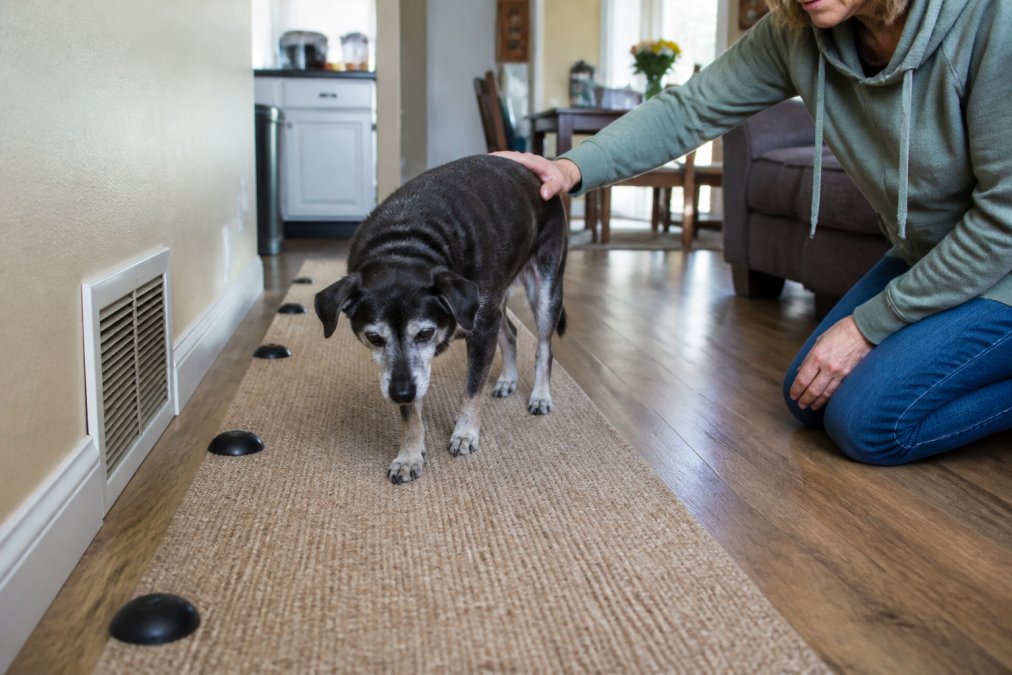
Sensory Compensation and Spatial Awareness
Blind dogs compensate using smell, hearing, and touch as primary navigation tools.
Mobility Assistance and Technological Aids
Several tools help blind dogs move confidently. The key is matching the right tool to your dog's specific needs and environment.
Physical Mobility Aids:
Emerging Technological Solutions:
Matching Tools to Your Dog's Needs:
Frequently Asked Questions
Can a dog's eyesight be improved?
Vision improvement depends on the underlying cause. Some conditions like dry eye and early cataracts can be managed medically to slow progression or stabilize vision. Nutritional antioxidant supplementation has been shown to increase retinal responses in healthy dogs, supporting overall eye function. However, degenerative conditions like advanced glaucoma or retinal degeneration may not be reversible. Early veterinary diagnosis and preventative care offer the best chance to maintain your dog's vision.
What are the best dog eye health supplements to try?
Supplements containing antioxidants, vitamin A, and beta carotene support corneal health and retinal function. Research from the National Center for Biotechnology Information found that antioxidant supplementation improved retinal responses in healthy dogs. Look for products specifically formulated for canine ocular health, but always consult your veterinarian before starting any supplement regimen. Medication compliance and consistent dosing are essential for effectiveness.
What are the early warning signs of vision loss in dogs?
Early signs include reluctance to navigate in dim light, bumping into objects, hesitation on stairs, or increased clumsiness. Dogs may also show cloudy eyes, excessive eye discharge, or squinting, which can indicate cataracts or dry eye. Important note: dogs must lose at least 80% of their vision before they typically display obvious behavioral signs like running into objects. This means regular veterinary exams are critical for early detection of progressive conditions.
How do I make my home safer for a dog with poor or no vision?
Use consistent environmental layouts and avoid rearranging furniture. Add scent markers like vanilla extract at key locations to help with spatial awareness and sensory compensation. Install baby gates to block stairs and hazardous areas. Keep food and water bowls in the same spot, use non-slip rugs on slippery floors, and ensure clear pathways. Minimize environmental hazards and consider technological aids like mobility harnesses designed for blind dogs to boost confidence and safety.