
Find Non-Mainstream Tech Gadgets: A 2026 Guide
Table of Contents
- Why Non-Mainstream Tech Gadgets Matter
- Best Crowdfunding Sites for Tech Discovery
- Niche Online Marketplaces for Non-Mainstream Gadgets
- How to Vet Unknown Tech Brands Before Buying
- Unique Tech Gift Ideas from Emerging Brands
- Navigating Customs and Import Logistics
- Maintenance and Repairability of Niche Gadgets
- Frequently Asked Questions
Last Updated: September 30, 2026
Why Non-Mainstream Tech Gadgets Matter
Finding non-mainstream tech gadgets takes effort because innovation happens in smaller spaces, crowdfunding platforms, niche marketplaces, and direct-to-consumer brands that never reach mainstream shelves.
According to TechRadar's 2026 analysis of the finest gadgets tested, 21 top-performing consumer technology products emerged from sources outside traditional retail. Many came from emerging brands, crowdfunded projects, and specialized manufacturers. These aren't the products you'll find on Amazon or at your local electronics store.
The market for innovative gear, smart home accessories, and everyday carry (EDC) gadgets has exploded. Early adopters now hunt beyond mainstream channels for products engineered for specific needs, not mass-market appeal.
Mainstream retailers optimize for volume and profit margins, filtering out niche tech before it reaches shelves. Genuine innovation requires knowing where to look.
Best Crowdfunding Sites for Tech Discovery
Crowdfunding platforms are the primary discovery channel for non-mainstream tech gadgets, connecting hardware startups with early adopters seeking innovation.
Kickstarter and Indiegogo: Early Adopter Platforms
Kickstarter and Indiegogo dominate hardware crowdfunding. Both host thousands of tech projects annually, from experimental robotics to niche audio equipment. You see products before retail launch, often at early-bird pricing.
Risk exists, not every project ships, delays happen, but community vetting is real. Creators respond publicly to technical questions, offering transparency that beats unknown sellers.
Consumer Electronics Show 2026 coverage highlighting emerging tech from crowdfunding noted that many innovative gadgets debut at CES before (or instead of) reaching mainstream retail. Crowdfunding platforms serve as the testing ground.
Backing Projects vs. Pre-Orders: Key Differences
Backing a project means funding development with upfront payment; delivery varies from months to years. Pre-orders reserve existing products with lower risk and faster delivery.
Read the fine print and check the creator's track record for on-time delivery and regular backer communication.
| Factor | Crowdfunding Campaign | Pre-Order |
|---|---|---|
| Risk Level | Higher (development stage) | Lower (product exists) |
| Timeline | Often delayed 6-12+ months | Typically 4-8 weeks |
| Price | Usually discounted 30-50% | Standard or slight discount |
| Creator Track Record | Check previous projects | Usually established brand |
| Customization Options | Often available | Limited |
Niche Online Marketplaces for Non-Mainstream Gadgets
Specialized marketplaces curate non-mainstream gear from independent makers, emerging brands, and international manufacturers.
Direct-to-Consumer vs. Reseller Platforms
Direct-to-consumer (DTC) sites connect you to manufacturers with no middleman markup. Communication is direct, but you're buying from a single source, if out of stock, you wait.
Reseller platforms aggregate products from multiple brands with centralized returns and customer service. Prices are higher due to reseller margin, but you get faster issue resolution.
PCMag's 2026 list of 100 best budget tech buys included products from both DTC brands and reseller platforms.
Specialty Tech Retailers and Community-Driven Sites
Specialty retailers like Uncommon Goods aggregate unique, upcycled tech accessories outside generic chains. Community-driven sites like Reddit's r/BuyItForLife reveal what gear enthusiasts actually use through peer-driven vetting.
How to Vet Unknown Tech Brands Before Buying
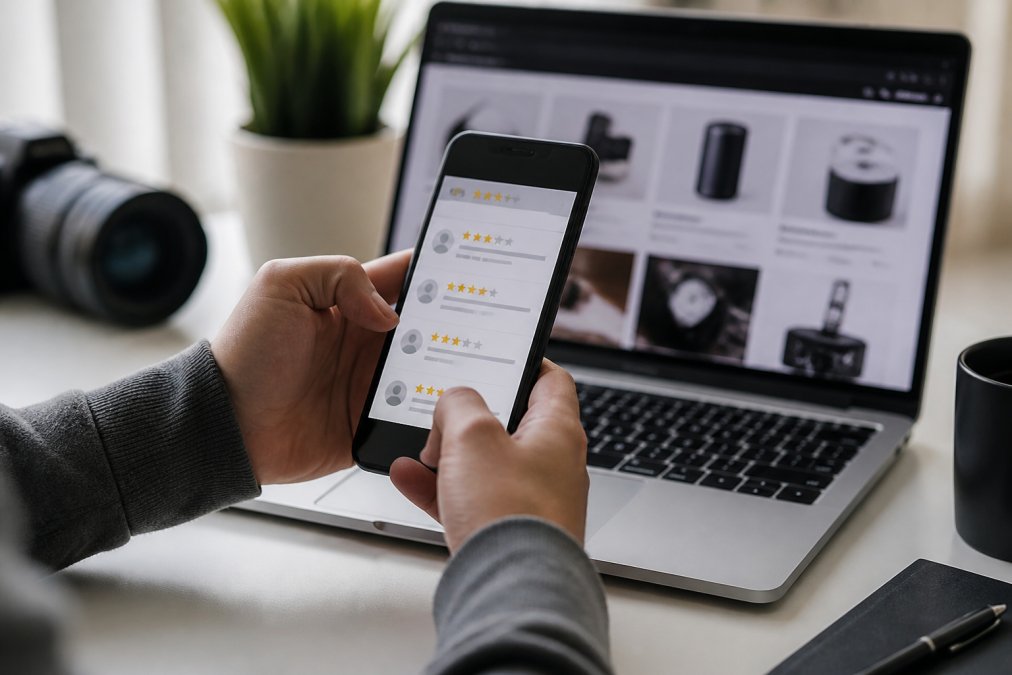
Unknown brands carry real risk, they may not honor warranties, respond to support, or ship safely. Vetting reduces this risk systematically.
The Four-Step Vetting Framework
Step 1: Verify the Brand's Legal Existence
Check for a physical address (not just P.O. box) in the website footer. Search the Secretary of State database to confirm business registration. Verify domain registration date using WHOIS, brands registered within 3 months are higher risk. Legitimate brands publish privacy policies and terms of service.
Step 2: Assess Manufacturing and Safety Certifications
Step 3: Analyze Reviews with Depth and Recency
Step 4: Verify Warranty, Return Policies, and Support Infrastructure
Red Flags That Signal Scam or Low-Quality Products
- No physical address listed on the website (only email or P.O. box)
- Domain registered within the last 3 months
- No published return policy or warranty information
- No customer support contact information
- All reviews are 5-star with generic language
- Product claims that seem impossible ("charges your phone wirelessly from 100 feet away")
- Prices significantly lower than competitors with no explanation
- No safety certifications for electronic products
- Website has poor grammar, spelling errors, or broken links
- Brand refuses to answer pre-purchase questions
Legitimate Niche Brands: What They Look Like
Legitimate niche brands share common traits:
- Clear company information and physical address
- Detailed product specifications and documentation
- Published return policy (typically 30+ days)
- Warranty information (typically 1-2 years)
- Responsive customer support with multiple contact methods
- Mix of positive and critical reviews with specific details
- Safety certifications listed in product documentation
- Active social media presence with engagement from the brand
- Founder or team information published on the website
When you find a brand that checks these boxes, you've found a legitimate player. The vetting process takes 20-30 minutes per brand, but it eliminates most scams and low-quality products before you spend money.
Unique Tech Gift Ideas from Emerging Brands
Non-mainstream gadgets make excellent gifts for tech enthusiasts. They're unexpected, thoughtful, and often more innovative than mainstream alternatives.
Wireless Whistle for Anti-Loss & Theft →
Smart Home Accessories and EDC Gadgets
Emerging brands offer specialized smart home devices and EDC gadgets solving real problems. The Wireless Whistle for Anti-Loss & Theft Locator from Tech Sphere and More ($29.44) exemplifies this, whistle to find lost keys, wallets, or bags with no cords, apps, or complexity.

Upcycled and Sustainable Tech Options
Sustainable tech uses recycled materials and is engineered for longevity. It costs more upfront but lasts longer, the math works for 5+ year ownership.
Navigating Customs and Import Logistics
Many non-mainstream gadgets come from international manufacturers. Importing adds complexity with shipping costs, customs delays, and tariffs, understand the process before ordering.
Understanding Landed Cost: What You Actually Pay
Calculate "landed cost", the total you'll pay including product price, shipping, tariffs, taxes, and broker fees.
Step-by-Step Import Process and Timeline
Week 1: Order Placed
You place the order on the brand's website. The brand confirms receipt and provides a tracking number.
Week 2-3: Shipment in Transit
Week 3-4: Customs Clearance
Customs officers may:
- Scan the package with X-ray equipment
- Open and inspect the contents
- Verify the declared value matches the actual product
- Check for prohibited items
- Assess tariffs and taxes
Week 4-5: Delivery
Managing Customs Documentation
Keep all documentation related to your import:
- Order confirmation email: Proof of purchase and agreed price
- Invoice from the brand: Shows the declared value of the product
- Shipping label and tracking number: Proof of shipment
- Customs declaration form: The carrier generates this; it lists the product description and value
- Receipt or proof of payment: Shows you paid for the item
If a package is delayed or lost, you'll need this documentation to file a claim with the carrier or customs authority. Keep these files for at least 1 year after delivery.
Common Import Problems and Solutions
If held longer than 5 days, contact the carrier, common issues include mismatched declared value (contact the brand for corrected declaration) or unclear tariff classification. If unexpected tariffs appear at delivery, confirm with the brand upfront whether they're included. For lost packages, wait 5 days past expected delivery, contact the carrier for a trace, then file a claim with shipping label and proof of value.
Strategies to Reduce Import Costs
1. Combine Orders
If you're ordering from the same brand, ask if they'll combine multiple items into one shipment. This reduces shipping costs and customs processing.
2. Choose Standard Shipping
3. Order During Brand Sales
4. Buy from Domestic Resellers
5. Check for Tariff-Free Agreements
Maintenance and Repairability of Niche Gadgets
Check repairability before buying, can you replace batteries, find parts, or access repair services? Brands publishing repair manuals and selling replacement components signal long-term support. Keep original packaging and documentation for warranty claims.
Frequently Asked Questions
What are the best crowdfunding sites for tech gadgets?
Kickstarter and Indiegogo dominate crowdfunding for hardware innovation. Both platforms showcase prototypes and early-stage products from hardware startups that rarely reach big-box retail. Kickstarter reported over 21 gadgets identified as 'finest' tested products in 2026, many sourced from crowdfunding campaigns. Check project timelines, creator history, and backer feedback before committing. Look for projects with clear technical specifications and realistic delivery dates to reduce risk.
How do I verify the quality of tech gadgets from niche websites?
Start by researching the brand's background and checking independent reviews on tech journalism sites like TechRadar and Mashable. Read user reviews across multiple platforms, not just the seller's site. Verify return policies and warranty coverage before purchasing. Look for products with clear technical specifications and certifications. Join online communities like Reddit's r/BuyItForLife to see real-world experiences from other users. Avoid sellers without contact information or transparent shipping policies.
Are there risks to buying non-mainstream tech gadgets?
Yes, but they're manageable. Common risks include longer shipping times, limited customer support, and potential import duties. Many innovative gadgets fail to reach mainstream retail not due to poor quality, but because they're never discovered by the general public. Mitigate risk by purchasing from established crowdfunding platforms, checking seller ratings, confirming return policies, and starting with lower-cost items to test reliability. Always verify that the product has genuine user reviews and community feedback before ordering.
What unique tech gift ideas work for tech enthusiasts?
Consider EDC (Everyday Carry) gadgets like the Wireless Whistle for Anti-Loss & Theft Locator ($29.44), smart home accessories, desk setup peripherals, and sustainable tech options. Emerging brands showcase innovative designs that major retailers don't stock. Look at CES 2026 highlights for trending products like stair-climbing robot vacuums and screen-free lighting. Tech enthusiasts value functional design and early-adopter status, so curated collections from niche marketplaces often outperform generic big-box options.